Need an estate cleanout? Call (336) 962-4817 to schedule a free on-site walkthrough. We'll come to the property, walk through the work with you, and give you an honest, upfront price.
When you're ready to handle a parent's cherished photos, letters, and personal items, it's essential to navigate this journey with care and empathy. Begin by evaluating your emotional readiness, as these belongings can trigger powerful memories. Prioritize what holds true sentimental value and craft a sorting strategy that feels right for you. By setting boundaries and preserving these treasures thoughtfully, you'll find ways to honor their legacy meaningfully. So, where do you start on this emotional path?
Understand Emotional Readiness
Understanding emotional readiness is important when handling personal items, as it guarantees a smoother and more considerate process.
You might face emotional triggers that make grief processing challenging. It’s vital to assess your mental state before beginning.
Recognize that some items could evoke memories that are difficult to process. Give yourself permission to feel these emotions without rushing through them.
Identify What Matters Most
How do you decide which personal items truly matter to you? Start by considering the sentimental value each item holds. Reflect on the personal significance—does it remind you of a cherished memory or a meaningful connection with your parent?
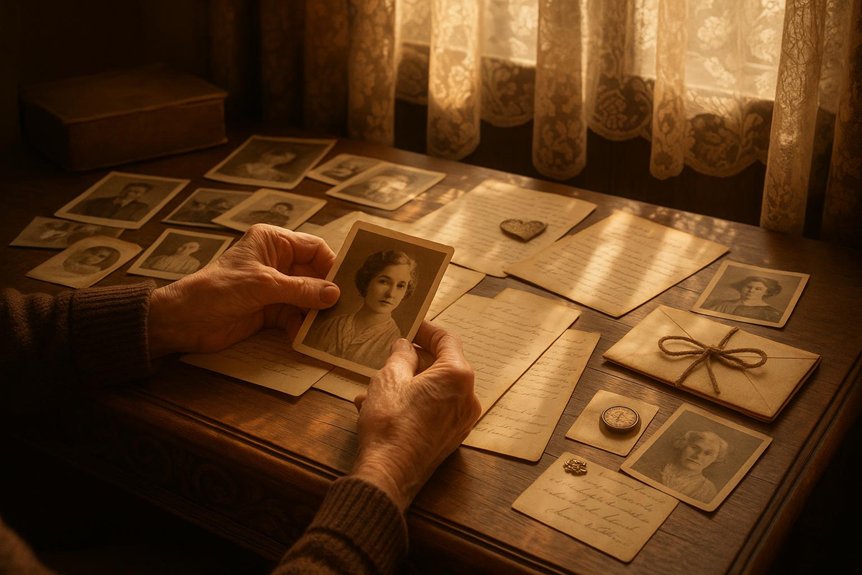
These items might include a letter that captures their voice or a photo that brings back a special moment. It's important to listen to your emotions; they’ll guide you toward what resonates most.
A letter or photo can evoke cherished memories, guiding you to what truly resonates.
As you sift through belongings, ask yourself: Does this item evoke joy, love, or nostalgia? Trust your instincts.
Prioritize those that bring comfort and connection. This process isn’t just about keeping things; it’s about honoring the memories and stories that shaped your relationship, preserving what truly matters.
Develop a Personalized Sorting Strategy
When developing a personalized sorting strategy, start by setting clear, manageable goals for the process. Determine what items hold personal attachment and decide how you'll approach them.
Begin by categorizing items into groups such as photos, letters, and keepsakes. Use sorting techniques like labeling boxes or creating digital inventories to keep track of everything. Be mindful of your emotional responses; they can guide you in understanding what truly matters.
Consider setting aside dedicated time each week to avoid feeling overwhelmed. It’s helpful to prioritize items that evoke the strongest memories first. This way, you’ll gradually build momentum and make informed decisions.
Stay flexible—your initial plan might evolve as you explore deeper into each item's significance and your emotional connection with it.
Respect Emotional Boundaries
While sorting through personal items, it’s essential to respect your emotional boundaries. Acknowledge that certain objects may serve as emotional triggers, stirring up memories and feelings that might be overwhelming.
To navigate this, engage in boundary setting by identifying what you can handle in one sitting. It's okay to take breaks when emotions run high; stepping away allows you to process feelings gradually.
Be mindful of your limits and give yourself permission to pause or seek support from a friend or counselor if needed.
Preserve Photos and Letters
Sorting through personal items often leads you to cherished photographs and heartfelt letters, inviting a deeper exploration of your past. These items carry immense sentimental value, and preserving them is crucial.
Begin with photo restoration; gently clean and repair any damaged photos to revive their original charm. Use acid-free materials for storage to prevent further deterioration.
When it comes to letters, consider letter archiving. Place each one in protective sleeves, guaranteeing they’re safe from environmental harm. Keep them in a cool, dry place to maintain their integrity.
Handling these items with care not only safeguards their physical state but also honors the memories they hold. Your thoughtful preservation efforts guarantee these treasures can be cherished by future generations.
Digitize and Organize Photos
Digitizing your photos is a rewarding task that safeguards memories for years to come. Start by using photo scanning to convert physical pictures into digital files. This process not only preserves the images but also allows for easy photo editing to enhance quality.
Once scanned, organize them into digital albums for effortless browsing. Use organizing apps to categorize and tag photos, making them easy to locate.
Organize scanned photos into digital albums with apps that categorize and tag for easy browsing.
Consider cloud storage as a reliable backup solution, ensuring your memories are protected against loss. This also facilitates memory sharing with family and friends through online galleries.
With everything securely stored, you’ll have peace of mind knowing these cherished moments are accessible anytime, anywhere. Embrace technology to keep your family’s legacy alive and beautifully organized.
Explore Display Options at Home
Now that your photos are beautifully organized and accessible, it’s time to think about how you can enjoy them in your living space.
Consider transforming these cherished memories into artistic displays that add personality to your home. Choose frames that complement your decor style, whether modern or vintage, and arrange them in a gallery wall format for a striking visual impact.
Alternatively, create functional decor by incorporating photos into everyday items like coasters or cushions. This approach not only preserves memories but also seamlessly integrates them into your daily life.
Create a Memory Box Collection
Creating a memory box collection lets you thoughtfully organize and categorize cherished items, ensuring they’re preserved for future generations.
Organize and Categorize Items
A memory box collection is a wonderful way to preserve cherished items and keep them organized. Start by identifying the sentimental value and item significance of each piece.
Use sorting criteria like date, event, or family member to categorize effectively. Consider potential emotional triggers as you sort, ensuring each item contributes positively to memory preservation.
Employ organizational methods, such as labeled folders or dividers, to maintain order and highlight familial connections. This approach helps in decluttering while preserving what's important.
As you work through the items, focus on maintaining a balance between keeping meaningful pieces and letting go of those without strong ties. This thoughtful process honors your loved one's legacy and keeps their memories alive in a structured way.
Preserve and Protect Memories
As you begin preserving and protecting memories, consider crafting a memory box collection that encapsulates the essence of cherished moments.
Start by evaluating the sentimental value of each item. This thoughtful process will guide your choices, ensuring that what you preserve truly resonates.
Employ effective memory preservation techniques, such as acid-free materials, to shield items from damage over time.
Create a memory box that tells a story, capturing emotions and history. Here are some ideas to inspire you:
- A handwritten letter from a significant milestone: Feel the love and wisdom in each word.
- A cherished photograph: Relive a joyful day, caught in a timeless frame.
- A small treasured memento: Hold onto the tangible connection to a heartfelt moment.
Each piece is a gateway to the past, carefully preserved for the future.
Document Family Stories
Why not capture the essence of your family's history by documenting their stories? Engaging in family storytelling is a powerful way to preserve narratives that define your heritage. Begin by gathering anecdotes from letters, photos, and personal items. Interview relatives, and record memories that might otherwise fade. This practice not only honors past generations but also strengthens connections among family members.
| Step | Action | Purpose |
|---|---|---|
| Gather | Collect letters, photos | Source material |
| Interview | Talk to relatives | Capture oral histories |
| Record | Write or audio record | Guarantee accuracy |
| Share | Distribute stories | Strengthen bonds |
Narrative preservation is more than just keeping stories; it’s about connecting with your roots and passing them on to future generations.
Honor Their Legacy Creatively
Capturing family stories lays a foundation for honoring their legacy creatively. Immerse yourself in legacy projects that transform memories into meaningful tributes.
Create tribute albums filled with cherished photos and letters, or engage in storytelling sessions to share anecdotes. Memory art and collaborative crafts can bring a personal touch to your family's history.
Create tribute albums with cherished photos and letters; share anecdotes through storytelling and memory art for a personal touch.
Consider these emotional ideas:
- Family timelines: Visually track milestones and achievements, deepening connections across generations.
- Heritage displays: Curate a space at home with artifacts and mementos that tell their unique story.
- Creative tributes: Design personalized pieces, like quilts or digital collages, to celebrate their life.
These approaches not only honor your parent’s memory but also keep their spirit alive, fostering a lasting impact.
Frequently Asked Questions
How Can I Involve Siblings in the Decision-Making Process?
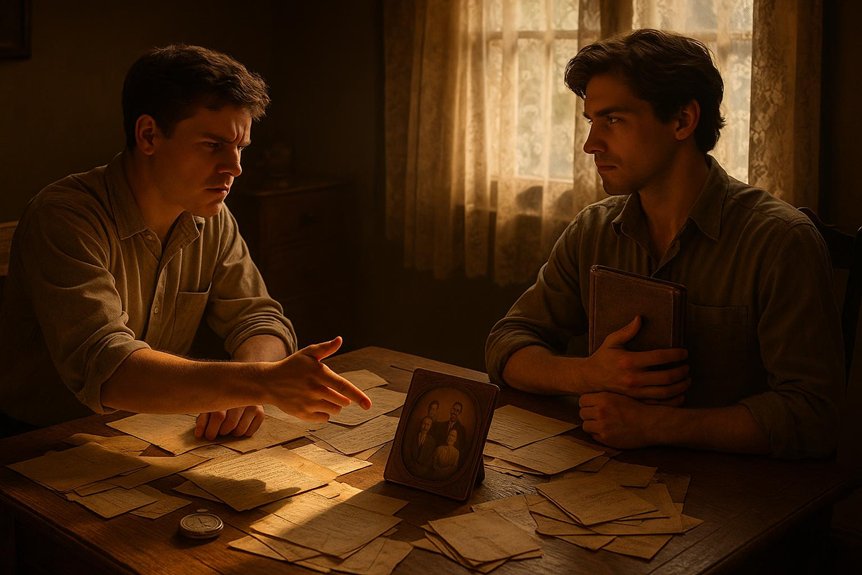
Involve your siblings by organizing a family meeting to encourage sibling collaboration. Share your thoughts and listen to theirs, ensuring everyone feels heard. Discuss emotional considerations openly; acknowledge that each person may have different attachments. Create a plan where responsibilities are shared, allowing everyone to contribute. Use video calls if distance is an issue, ensuring everyone stays connected and involved in the decision-making process.
What Should I Do With Duplicate Photos or Letters?
Start by using photo preservation techniques like creating digital backups for duplicates. For letters, employ letter sorting strategies : categorize by date or significance. Share duplicates with siblings or create a family archive. Consider donating to historical societies if they're of broader interest. Your empathy and attention to detail will guarantee these cherished memories are preserved, allowing everyone to connect with the past while respecting each item’s value.
How Do I Handle Items With Unclear Sentimental Value?
Evaluate each item’s sentimental value by considering your emotional response and any stories connected to it. Engage in a sentimental assessment, asking family members for their insights. If an item triggers fond memories, prioritize memory preservation by documenting its story or photographing it. If uncertain, set it aside temporarily and revisit later. This thoughtful approach guarantees you honor your parent’s legacy while making informed decisions.
Are There Professionals Who Can Assist With Organizing These Items?
Yes, professional organizers can help you manage sentimental items like photos and letters. They’ll guide you through sorting and preserving these treasures, ensuring each item finds its appropriate place. With empathy and expertise, they’ll assist in creating a system that respects your emotional connection , while bringing order to your collection. Trust their guidance to make the process less overwhelming and more meaningful for you.
How Can I Ensure Privacy When Sharing Family Stories?
Guarantee privacy when sharing family stories by using digital sharing responsibly. First, consider storytelling ethics : seek consent from those involved or their descendants. Share only what respects their dignity. Use private platforms or settings to control who sees your content. Redact sensitive information like addresses or personal details.
Related service: Estate Cleanout services →